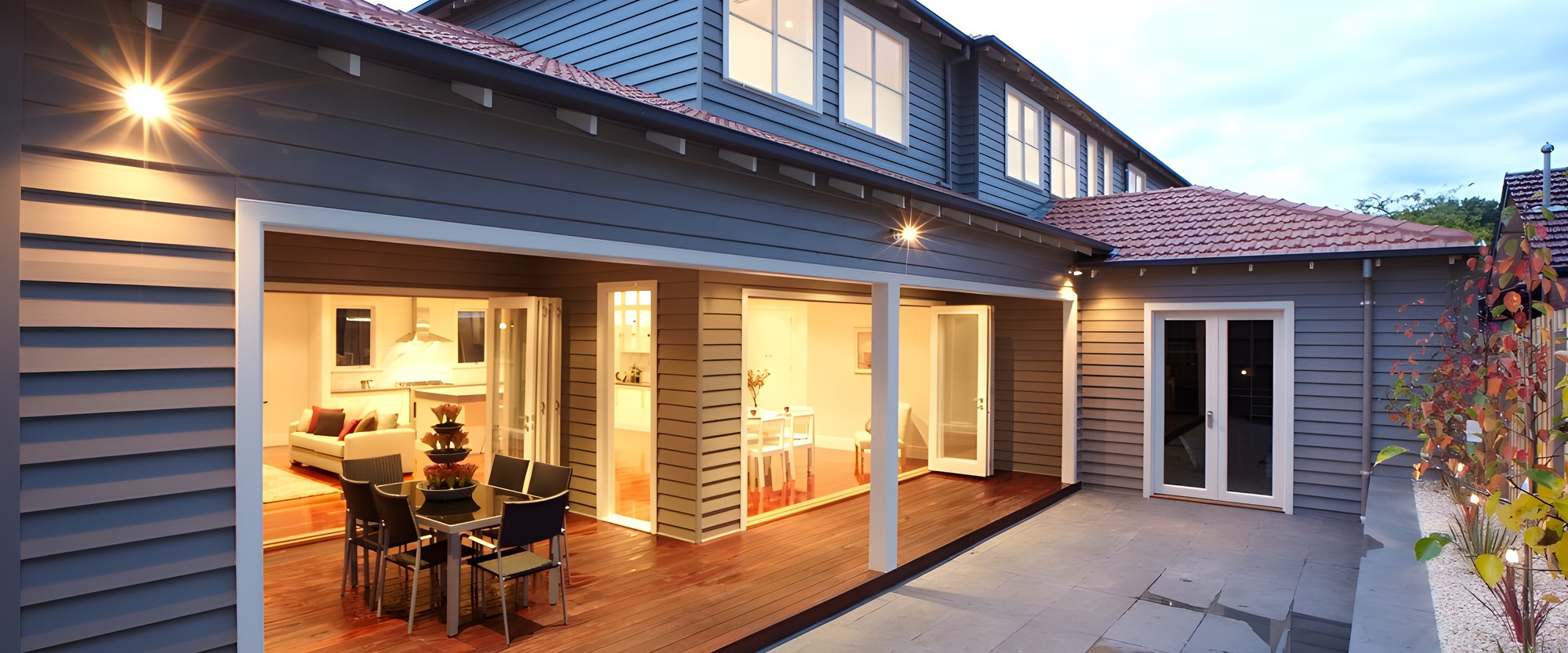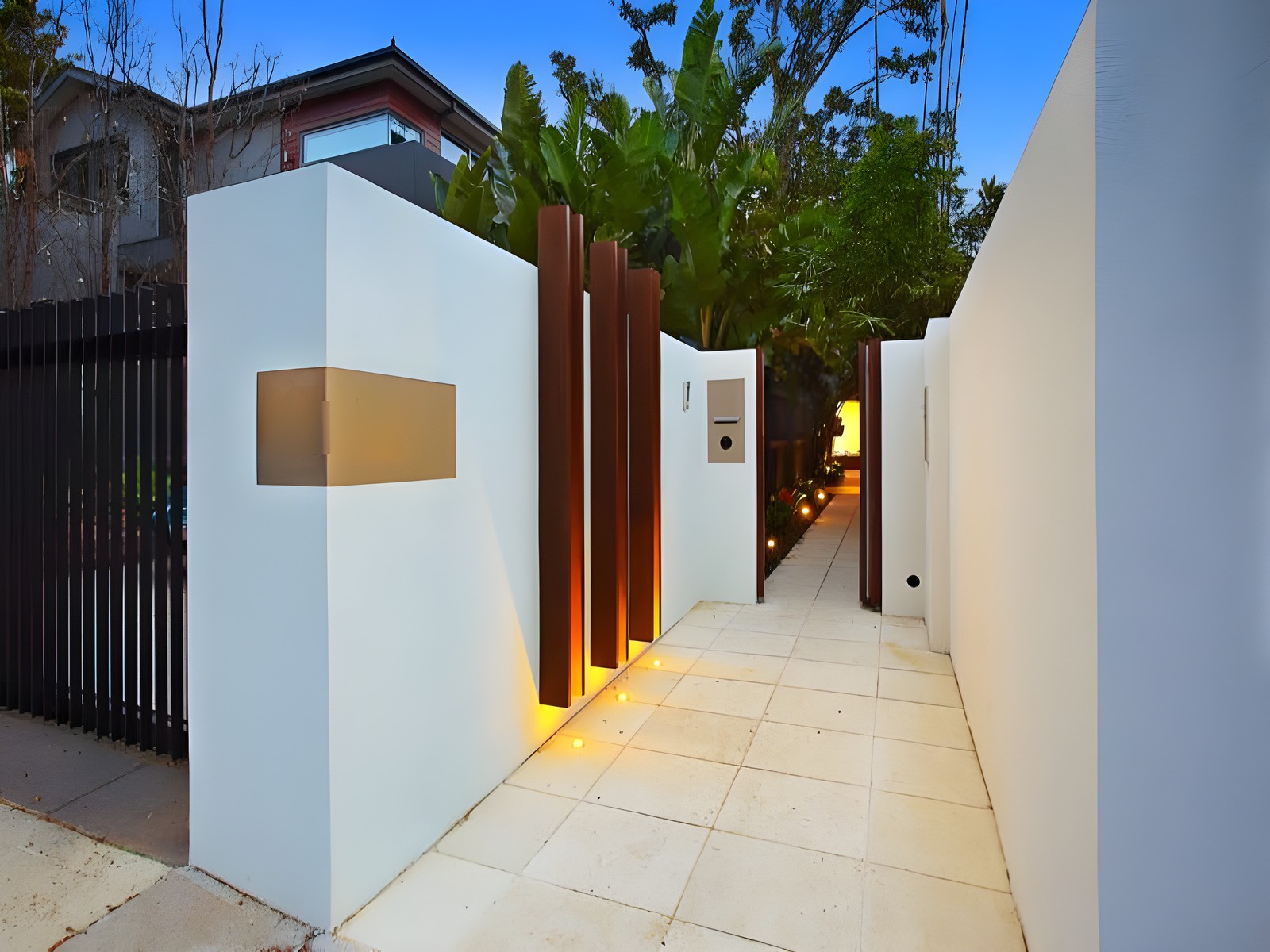
Buying property is a significant financial decision, and appearances alone do not always reveal the true condition of a building. What to look for when buying a house comes down to two things: the condition of the building, from the cracks in its walls to its roof space and subfloor, and the paperwork that comes with it, like the section 32 statement and the permits for any past work.
In Victoria a pre-purchase building inspection covers the building while your conveyancer or lawyer checks the section 32 statement and the contract of sale. Consumer Affairs Victoria suggests visiting a property several times before you decide to buy it. Use those visits to look over the areas below.
What to look for in the building
Before purchasing an established home, areas worth investigating may include:
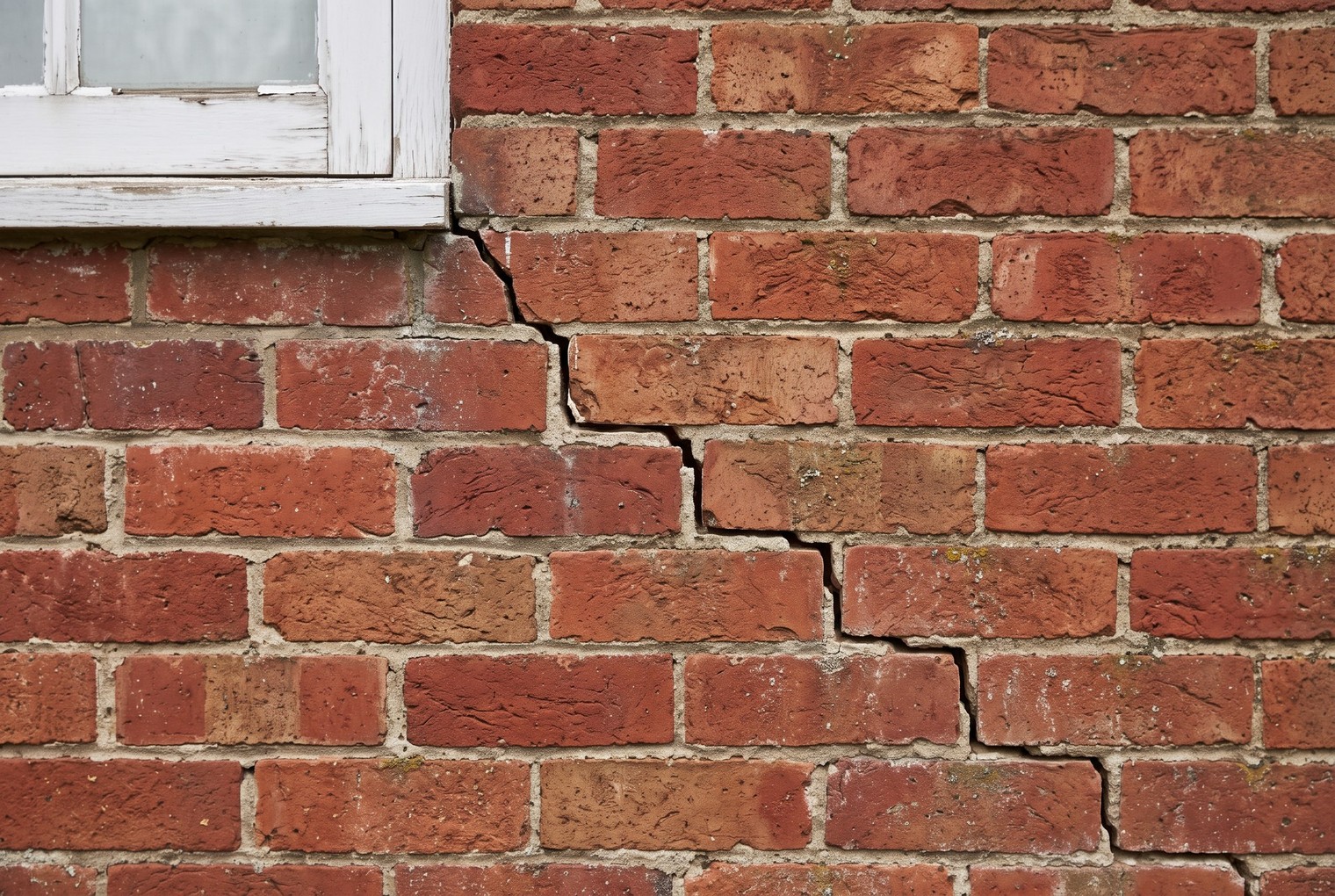
- Cracking in brickwork, render and plaster, inside and out
- Uneven or sloping floors, and floors that feel bouncy underfoot
- Roof condition, including a sagging roof line and cracked or broken tiles
- Gutters and downpipes, for rust, leaks and overflowing
- External walls, for damp brickwork and mortar crumbling out of the joints
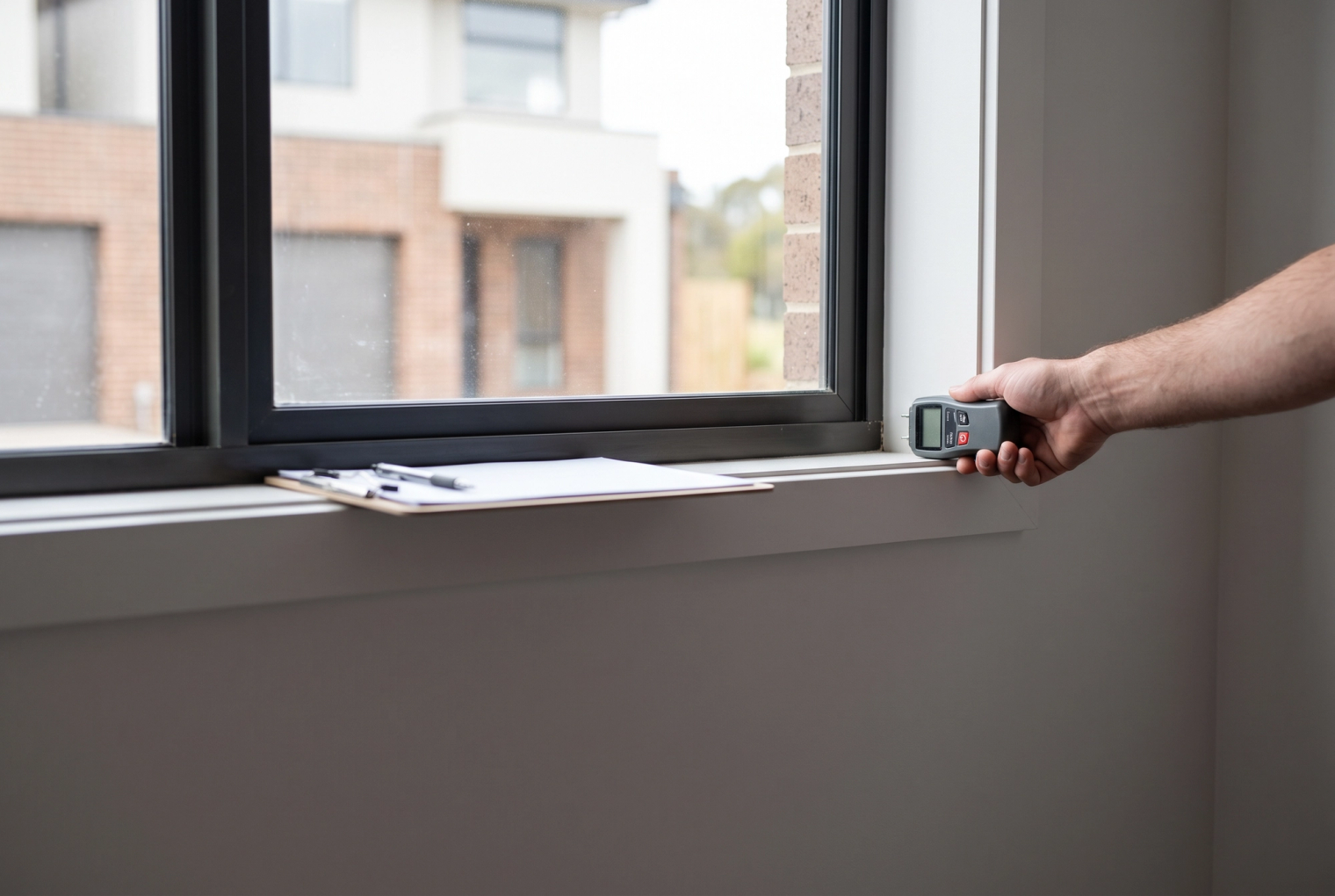
- Windows and doors, opened and closed, and the condition of their frames and sills
- Evidence of moisture, like mould, musty smells and peeling or bubbling paint
- Water damage, like stained ceilings and swollen or rotting timber
- Wet areas, for lifting or cracked tiles, failed grout and sealant, and water pooling on the floor
- Subfloor areas where accessible, for the stumps, damp and blocked vents
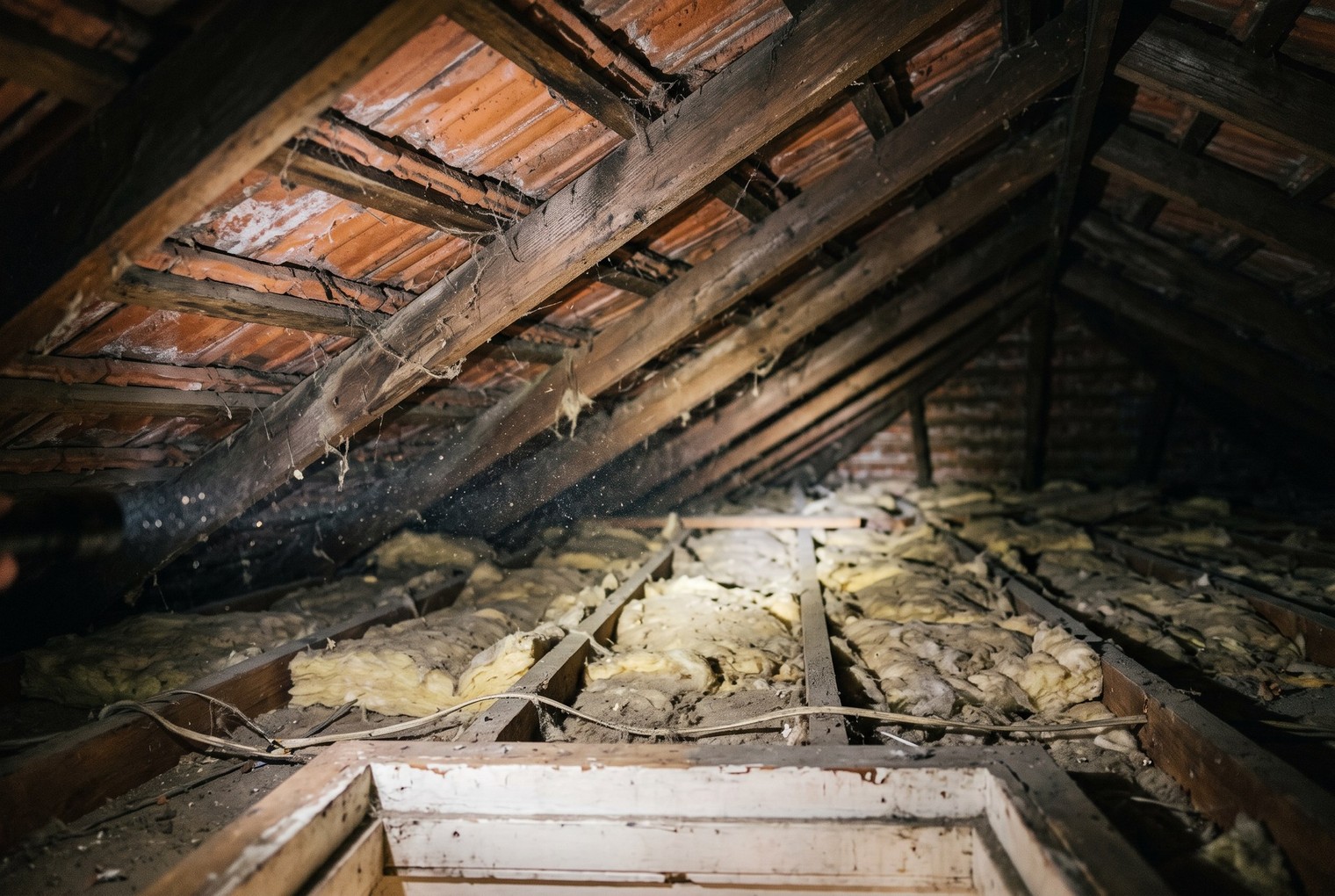
- Roof space where accessible, for the roof frame, leaks and signs of termites
- Drainage around the building, including where the downpipes drain and whether water pools against the walls
- Retaining walls, for leaning, bulging or cracking
- Decks and balconies, for rotting timber, loose balustrades and rusted fixings
- Previous renovations and extensions, and whether they had permits
- General maintenance issues, like flaking paint and garden beds built up against the walls
- Visible building defects of any other kind
Cracks, floors and walls
Movement in a house shows up as cracks and uneven floors. Consumer Affairs Victoria's advice to buyers is that sloping or bouncy floors may mean the stumps need replacing, and that cracked walls can point to the house sinking. Where the cracks are large, it says to get a structural engineer's advice.
Outside, look closely at the brickwork. Damp brick walls can mean rising damp or salt damp, and fretting, where the mortar between the bricks falls out, can point to major structural problems.
Fresh paint and patching can hide a crack. A qualified inspector knows to look past cosmetic work for the faults underneath.
Damp, leaks and wet areas
Consumer Affairs Victoria lists mouldy walls, lifting tiles, peeling paint and pools of water in wet areas as signs of excessive moisture, and blisters or bubbles on paintwork as a possible sign of termites. That's another reason to chase damp: the Building and Plumbing Commission says termites are attracted to damp conditions and recommends fixing plumbing leaks, drainage problems and roof leaks promptly. It also warns against garden beds and mulch built up against the walls, because they give termites an entry point nobody can see.
Roof, roof space and subfloor
A sagging roof or cracked and broken tiles may mean costly repairs or a new roof.
The roof space and subfloor hold the parts of the structure you can't see from the rooms. The Building and Plumbing Commission says termite activity usually happens in concealed areas and that infested sites can be found in roofs. It also says subfloor areas should be well ventilated and their vents kept clear.
Renovations, extensions and permits
If a house has been renovated or extended, find out whether the work had the permits it needed. Consumer Affairs Victoria advises checking the section 32 statement and asking the local council whether the planning and building permits were obtained. It warns that any illegal alterations may become your responsibility once you sign the contract of sale.
Under section 32E of the Sale of Land Act 1962, the section 32 statement has to give the details of any building permit issued for a building on the land in the past seven years. For anything the statement doesn't list, the local council may be able to give you information about the building permits issued for work on the property. Ask the seller too whether any owner-builder insurance or builder's warranty covers defects in the work.
If the seller built the home or an extension as an owner-builder and you'll take possession within six and a half years of its completion, section 137B of the Building Act 1993 requires them to give you a copy of a defects report from a prescribed building practitioner, obtained no more than six months before they sign the contract.
Checks that go beyond the building
A buyer should also consider matters that go beyond the physical inspection, including planning, permits, owners corporation information where applicable, flood or bushfire risks and other due diligence matters. The Sale of Land Act 1962 requires the seller to give you a section 32 statement before you sign the contract. Among other things, it sets out:
- easements, covenants and other restrictions on the land
- the planning scheme, the zoning and any planning overlays
- whether the land is in a designated bushfire prone area
- any building permits issued in the past seven years
- for a property with an owners corporation, its owners corporation certificate or the same information, and the documents that go with it
Have your conveyancer or lawyer check the section 32 statement and the contract of sale before you sign.
If the property shares common property like a driveway or grounds, it may have an owners corporation. That can mean fees to pay and rules that limit what you can do, like a ban on pets. Because a section 32 statement is sometimes prepared up to 12 months before the sale, Consumer Affairs Victoria suggests asking for a new owners corporation certificate before settlement or making a time to inspect the owners corporation's register and records.
Pick up a copy of Consumer Affairs Victoria's due diligence checklist at the open for inspection, where sellers and agents have to make it available. It covers flood and fire risk, owners corporations and insurance for recent renovations, among other things. For flood, it points buyers to Melbourne Water, the floodplain manager for the Port Phillip and Westernport regions, and to the Australian Flood Risk Information Portal. It also asks you to think about what fire and flood risk mean for the land, the buildings and your insurance premiums.
For planning and bushfire, VicPlan, the state's planning map viewer, creates a planning property report showing a property's zone and overlays, including the Bushfire Management Overlay, and whether it's in a designated bushfire prone area.
What a pre-purchase building inspection covers
A professional pre-purchase building inspection can provide an independent assessment of accessible areas of the property and identify visible defects and areas requiring further attention. Our pre-purchase reports follow Australian Standard AS 4349.1-2007, the standard for pre-purchase inspections of residential buildings. We take the home's age, construction type, condition and access into account.
The written report sets out the major and minor defects we could see on the day and the areas that need repair or further investigation.
Get your own report. Consumer Affairs Victoria warns buyers to be wary of any inspection report offered by the agent or the seller, and says getting your own is the only way to make sure it's independent and accurate.
When to book a building inspection
Book it before you sign a contract or bid at auction. In Victoria there's no cooling-off period when you buy at a publicly advertised auction, or in the three clear business days either side of it. A private sale usually gives you three clear business days after you sign to end the contract, but the seller can keep $100 or 0.2% of the price, whichever is more.
You can't put conditions on a contract at auction without the seller's agreement. In a private sale, ask your conveyancer or lawyer about making your offer subject to a building inspection. The seller can accept that condition or refuse it. If you're buying at auction, our pre-auction inspection is the pre-purchase inspection booked for before auction day, at $495 + GST.
Pest and asbestos checks
Timber pests and asbestos each need their own assessment. A pest inspection is worth having on any house you're buying, and an asbestos assessment on one built or renovated before 1990.
The Building and Plumbing Commission says termites cause more damage to Australian houses than fire, floods and storms combined, and that the damage may not be covered by household insurance. It strongly recommends having an expert inspect a house for termite activity before you buy. Signs it lists include timber that breaks easily to reveal wafer thin layers, often first in the skirting boards, mud-like tubes around footings and brickwork, and cracks or holes in timber or plaster with a fine dust residue. Our building and pest inspection checks the building and timber pests in the one inspection, the building part to AS 4349.1-2007 and the pest part to AS 4349.3.
Asbestos Victoria says a home built or renovated before 1990 likely contains asbestos, in places like roof sheeting, eaves, fences, the wall linings behind tiles in wet areas and vinyl floor tiles. You can't confirm asbestos by looking at a material, only by a laboratory test of a sample. Leave anything you suspect alone, since cutting, drilling, sanding or breaking it can release fibres into the air.
Consumer Affairs Victoria suggests an asbestos assessment for a property built before 1990. Asbestos Victoria lists asbestos surveyors, hazardous materials consultants and occupational hygienists among the professionals who carry them out.
What to do with the inspection report
An inspection is there to help you understand what you're buying before you make a major financial commitment. Buyers use our reports to decide whether to buy, what to offer and what to budget for.
Consumer Affairs Victoria suggests using the report to negotiate the price and the conditions of the contract with the seller, and to plan a maintenance program if you go ahead. Read the major defects first, then the areas marked for further investigation, and book any follow-up, like a structural engineer for large cracks, before you sign.
Booking a pre-purchase inspection
We inspect homes across metropolitan Melbourne. A pre-purchase building inspection is $495 + GST on a house, townhouse, unit or apartment, and a building and pest inspection is $595 + GST. A travel fee of $100 + GST may apply in the Geelong, Ballarat and Bendigo areas, down to Phillip Island and around Warragul.
Book on our Pre-Purchase Inspections page with the property's suburb and when you need the report by, or see Building Inspections for every inspection we do and our price list.